
Charlotte Rental Property Market Data
Local Real Estate Stats
Charlotte continues to attract rental property investors because of long-term population growth, job creation, renter demand, corporate presence, and a diverse mix of urban neighborhoods and suburban growth markets. But today’s market also requires more discipline than a simple “Charlotte is hot” headline.
Investors need to understand local pricing, rental demand, apartment supply, renovation costs, HOA restrictions, property taxes, insurance, tenant expectations, and property management strategy before buying. Use this market analysis as a starting point for evaluating Charlotte-area rental property opportunities with a clearer, more data-driven lens.
Charlotte Market Snapshot
964,784
Estimated Charlotte city population in 2025
Source: U.S. Census Bureau
20,731
Residents gained from 2024 to 2025
Source: U.S. Census Bureau
157
People moving to the Charlotte Region daily
Source: CLT Alliance
19
Fortune 1000 companies in the region
Source: City of Charlotte
$426.5K
Charlotte city median sale price, March 2026
Source: Redfin
23%
Expected decline in 2026 apartment completions vs. 2025
Source: Northmarq
Why Investors Continue Watching Charlotte
Charlotte has moved beyond the “emerging market” label. It is now one of the largest cities in the country, a major financial and corporate hub, and one of the most active population-growth markets in the South. For investors, that matters because rental demand is often strongest in markets where people, jobs, businesses, and infrastructure continue to expand.
The opportunity is not limited to one neighborhood or one property type. Charlotte offers several different investment profiles, from urban rental demand near Uptown, South End, NoDa, and Plaza Midwood to suburban single-family rental demand in markets like Matthews, Huntersville, Ballantyne, Cornelius, Davidson, Fort Mill, Rock Hill, and other surrounding communities.
That variety is useful, but it also makes local guidance more important. A property that works for one investor may not fit another investor’s goals, timeline, budget, or risk tolerance. The right strategy depends on rent potential, property condition, neighborhood trajectory, renovation needs, HOA rules, and long-term resale outlook.
Investor takeaway: Charlotte’s growth creates a strong long-term backdrop, but the best investment decisions still happen at the property level.

Charlotte Rental Demand
Charlotte’s rental market is supported by a mix of new residents, relocating professionals, corporate workers, families, students, and renters who may not be ready to buy in the current interest-rate environment. This creates demand across multiple property types, including apartments, single-family homes, townhomes, condos, duplexes, and small multifamily properties.
However, the rental market is more nuanced than simply saying "rents are rising." Charlotte added a large amount of multifamily supply in 2024 and 2025, which put pressure on occupancy in some apartment-heavy areas. That supply story matters because apartments can influence renter expectations, concessions, pricing, and competition.
At the same time, new apartment supply is expected to moderate. Northmarq reported that 2026 completion totals are expected to lag 2025 levels by 23%, with vacancy projected to come down slightly as supply growth slows. For investors, that suggests a more balanced market where property selection and rent strategy matter more than ever.
Urban Rental Demand
Neighborhoods near transit, restaurants, employment centers, entertainment, and walkable amenities can attract renters who prioritize convenience and lifestyle.
Suburban Rental Demand
Single-family rentals and townhomes may appeal to renters looking for more space, parking, yards, schools, and longer-term residential stability.
Small Multifamily Demand
Duplexes and small multifamily properties may appeal to investors seeking multiple income streams, but operations and maintenance planning become more important.
Investor takeaway: Apartment growth can create competition, but it also shows where renters want to live. Single-family and small multifamily investors should study nearby apartment pricing, concessions, amenities, and vacancy before setting rent expectations.
Population Growth and Migration
Population growth remains one of the strongest reasons investors continue to evaluate Charlotte. The U.S. Census Bureau estimated Charlotte’s 2025 population at 964,784 and reported that the city gained 20,731 residents from 2024 to 2025, more than any city in the country during that period.
Regional migration is also a major part of the investment story. The Charlotte Regional Business Alliance reported that the Charlotte Region gained 57,300 residents through migration between July 2023 and July 2024, equal to an average of 157 people moving to the region each day.
More residents typically mean more household formation, more rental demand, more demand for owner-occupied housing, and more need for well-located rental properties. For investors, the key is knowing where that growth is landing and what type of housing each submarket needs.
More Households
New residents create household formation, which supports both rental demand and future homebuyer demand.
More Renter Profiles
Relocating professionals, families, students, and remote workers may all need different types of rental housing.
More Submarket Variation
Growth is not limited to the city core. Investors should compare suburbs, commuter corridors, and nearby South Carolina markets.
For a deeper look at migration and household growth, visit our Charlotte population growth trends page.

Job Market and Employment Drivers
Charlotte’s economy is one of the biggest reasons the region remains attractive to rental property investors. The market is widely known for financial services, but the economy also includes energy, healthcare, logistics, manufacturing, technology, professional services, education, hospitality, sports, and corporate headquarters activity.
The Charlotte Regional Business Alliance reports a $281.3 billion gross regional product, 3.2 million people in the region, 1.7 million total jobs, and a 4.1% unemployment rate as of February 2026. The same regional data also notes growth in the 20-to-34-year-old population, foreign-born population, and business and financial operations occupations since 2020.
Employment strength supports rental demand because people often move for work before they buy a home. A diversified job base can also help create renter demand across multiple income levels, property types, and neighborhoods.
What Employment Strength Can Mean for Investors
- More relocation-driven rental demand
- More demand near employment corridors
- Stronger tenant pool diversity
- Potential support for long-term occupancy
- More opportunity in suburbs connected to job centers
For additional employment insight, visit our Charlotte job market overview.
Housing Prices and Buyer Conditions
Charlotte’s for-sale housing market has become more measured than it was during the height of the pandemic-era buying frenzy. Redfin reported that Charlotte city home prices were down 1.3% year over year in March 2026, with a median sale price of $426,500 and homes selling after 55 days on average.
For disciplined investors, a more balanced market can be helpful. More days on market, more inventory, and slower price growth can create more room for due diligence, negotiation, inspection review, renovation planning, and property-level analysis.
That does not mean every property is suddenly a good deal. It means investors may have more time to compare opportunities, run realistic rent numbers, evaluate repairs, and avoid buying solely because a listing appears attractive online.
Investor takeaway: A more balanced market may give buyers more time to evaluate deals, but every property still needs a careful review of rent potential, repair scope, taxes, insurance, management costs, and exit strategy.
Neighborhood and Suburb Investment Trends
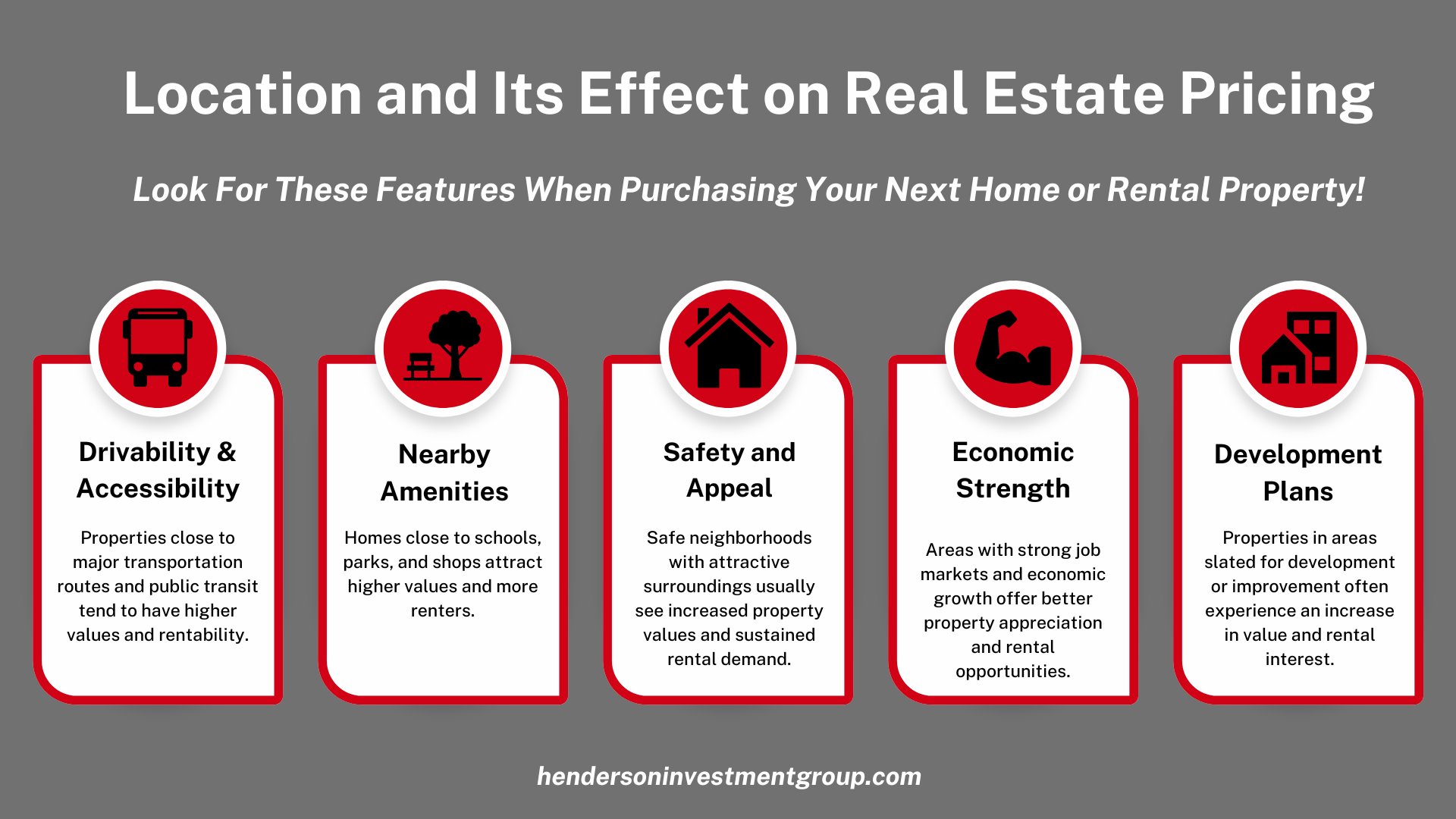
Charlotte is not one single investment market. The right area depends on the investor’s budget, risk tolerance, cash-flow goals, appreciation goals, preferred property type, management needs, and timeline. Urban neighborhoods may offer lifestyle-driven demand, while suburbs may offer more space, school appeal, commuter access, and single-family rental demand.
The best approach is to compare submarkets based on the renter profile, not just the purchase price. A lower-cost property is not automatically a better investment if demand is weaker, repairs are higher, or the exit strategy is unclear.
Urban Core and Near-Core
Areas near Uptown, South End, NoDa, Plaza Midwood, and Optimist Park may attract renters who value walkability, transit, restaurants, and lifestyle convenience.
Established Suburbs
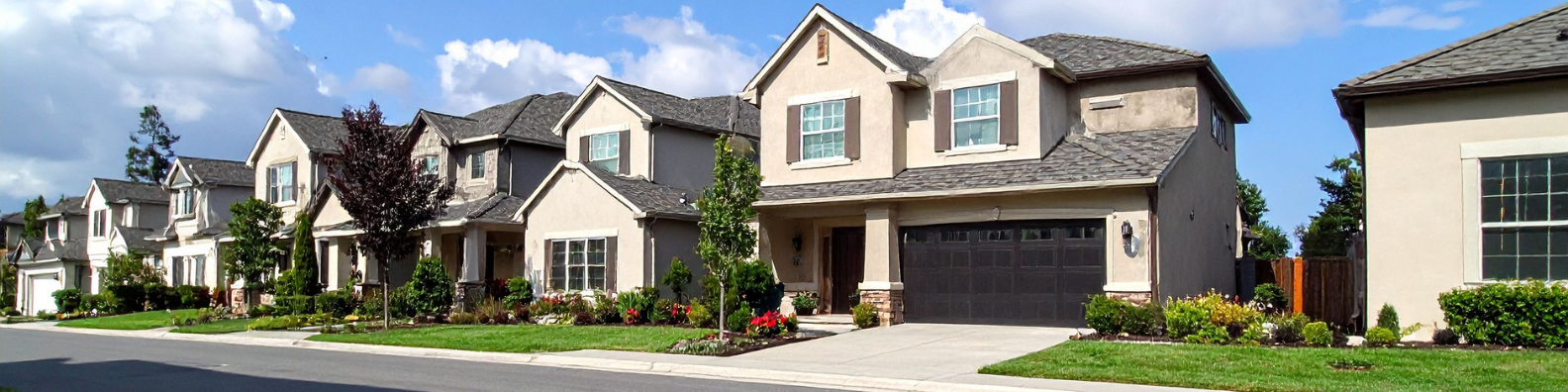
Markets like Matthews, Huntersville, Cornelius, Davidson, and Ballantyne may appeal to renters seeking schools, space, amenities, and access to Charlotte job centers.
Growth Corridors
Areas such as Concord, Kannapolis, Fort Mill, Rock Hill, and parts of Gaston County may offer investors different price points and long-term growth potential.
To compare specific areas, visit our guide to the best Charlotte suburbs for real estate investors.
What Investors Should Watch Before Buying
Charlotte’s long-term fundamentals are strong, but smart investing still comes down to disciplined underwriting. Before buying a rental property, investors should evaluate both market-level trends and property-specific details.
Rental Restrictions
Review HOA rules, lease minimums, rental caps, approval requirements, and short-term rental limits before assuming a property can be rented.
Rent Comps
Compare similar rental homes, not just nearby apartments. Property type, condition, location, size, layout, and amenities all matter.
Renovation Scope
Cosmetic upgrades can help, but major systems, deferred maintenance, drainage, roofing, plumbing, HVAC, and code issues can change the math quickly.
Apartment Competition
Nearby apartments can affect pricing, concessions, vacancy risk, and renter expectations, especially in high-supply submarkets.
Management Needs
Remote investors should think carefully about leasing, maintenance, resident communication, inspections, accounting, and reporting.
Exit Strategy
Consider future resale demand, appreciation potential, neighborhood trajectory, buyer pool, and whether the property could appeal to both investors and owner-occupants.

What This Market Means for Different Investor Types
Out-of-State Investors
Charlotte may offer long-term demand, but remote buyers need reliable local guidance for neighborhood selection, repairs, leasing, and ongoing management.
Single-Family Rental Investors
Single-family rentals may compete well when they offer space, privacy, outdoor areas, parking, and a neighborhood feel that apartments cannot easily match.
Value-Add Buyers
A cooler acquisition market may create opportunities, but value-add investors need sharp renovation budgets and realistic rent projections.
Small Multifamily Investors
Duplexes and small multifamily properties can provide multiple income streams, but they require careful review of operations, maintenance, tenant mix, and financing.
Urban, Suburban, or Growth Corridor?
| Market Type | Potential Strength | What to Watch | Possible Fit |
|---|---|---|---|
| Urban / Near-Core | Walkability, transit, restaurants, employment access, lifestyle demand | Higher pricing, apartment competition, HOA rules, parking limitations | Investors seeking appreciation potential and lifestyle-driven rental demand |
| Established Suburbs | Schools, space, longer-term renters, single-family demand, community amenities | Higher acquisition costs, HOA rental caps, slower turnover, repair scope | Investors seeking stability and renter demand tied to families or professionals |
| Growth Corridors | Potentially lower entry points, new development, migration, long-term expansion | Infrastructure timing, tenant depth, commute patterns, property condition | Investors willing to evaluate emerging markets with more patience and due diligence |
A Strong Market Still Requires Careful Due Diligence
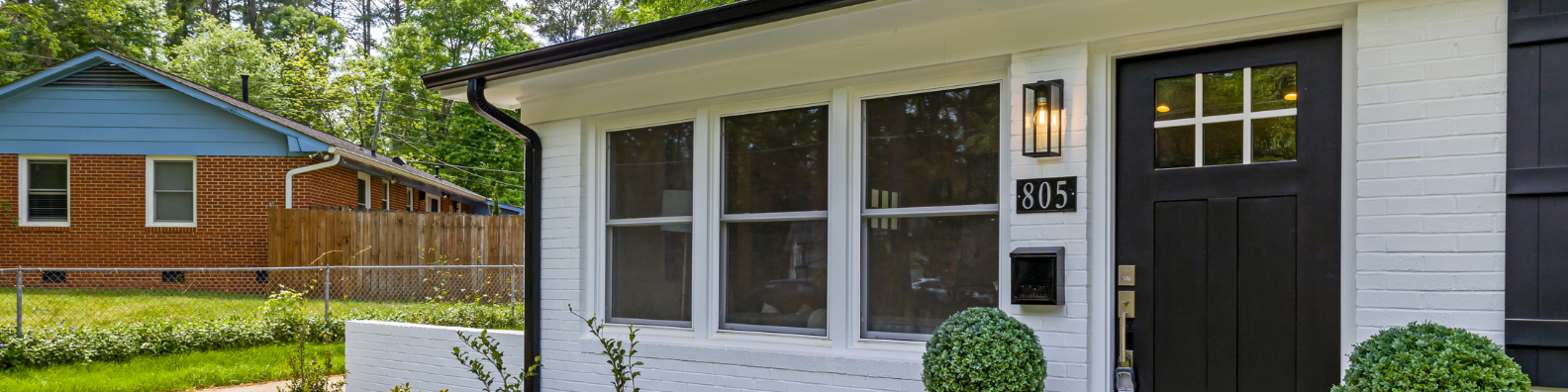
Charlotte’s fundamentals are strong, but not every property is a strong investment. Some deals may be weakened by HOA restrictions, unrealistic rent projections, expensive repairs, poor layout, high insurance costs, high taxes, too much nearby apartment competition, or a weak exit strategy.
The goal is not simply to buy in Charlotte. The goal is to buy the right property, in the right submarket, at the right price, with a realistic plan for leasing, management, maintenance, and resale.
Ready to Compare Charlotte Investment Properties?
Henderson Investment Group helps investors identify, purchase, renovate, lease, manage, and sell rental properties across North Carolina and South Carolina. Whether you are local or investing from out of state, our team can help you evaluate opportunities with a clearer strategy.
Watch: Tips for Investing
Use this video as a quick visual companion to the market analysis above, especially if you are comparing Charlotte rental property opportunities from outside the area.
More Charlotte Investment Research
Charlotte Rental Market
Review rental demand, rent trends, and what investors should know about Charlotte renters.
Population Growth
Learn how migration and household growth affect long-term housing demand.
Charlotte Job Market
Explore the employment drivers supporting rental demand across the region.
Charlotte Rental Forecast
See our 2026–2030 outlook for rental demand, housing supply, and investment opportunities.
Best Charlotte Suburbs
Compare suburban markets and growth corridors around the Charlotte region.
Investment Guide
Start with our broader guide to Charlotte real estate investing and market fundamentals.
Helpful Investor Articles
Charlotte HOA Rental Rules
Understand rental restrictions, lease rules, and HOA issues before buying.
How to Price a Charlotte Rental
Learn how rent comps, condition, timing, and competition affect pricing.
Rental Renovation ROI
See which upgrades may support better rentability and long-term performance.
Buying Value-Add Rentals
Evaluate fixer-upper and improvement-focused rental opportunities with discipline.
Charlotte Real Estate Investment FAQs
Have questions about Charlotte rental property investing, market conditions, and what to review before buying? Start here.
Is Charlotte still a good market for real estate investors?
Charlotte continues to attract investors because of population growth, employment drivers, corporate presence, and long-term rental demand. However, each property should still be evaluated carefully based on purchase price, rent potential, condition, location, HOA rules, and management needs.
Are Charlotte rents still increasing?
Charlotte’s rental market has become more balanced after a period of heavy apartment supply. Some submarkets may face more competition, while others may remain strong because of population growth, employment demand, and demand for single-family rentals.
What types of rental properties work well in Charlotte?
Investors may consider single-family homes, townhomes, condos, duplexes, or small multifamily properties depending on their goals. Single-family rentals may offer resale flexibility and tenant stability, while multifamily properties may offer multiple income streams.
What should I review before buying a Charlotte rental property?
Before buying, review rent comps, property condition, renovation costs, HOA rental rules, taxes, insurance, vacancy assumptions, maintenance needs, and property management requirements. A good market does not automatically make every property a good investment.
Can Henderson Investment Group help out-of-state investors?
Yes. Henderson Investment Group works with investors who want help finding, evaluating, purchasing, renovating, leasing, managing, and eventually selling rental properties in North Carolina and South Carolina.
Market Sources and Investor Disclaimer
This page references market data and commentary from the U.S. Census Bureau, Charlotte Regional Business Alliance, City of Charlotte, Redfin, Northmarq, and Colliers.
Source links: U.S. Census Bureau city estimates, Census QuickFacts, CLT Alliance regional data, CLT Alliance migration report, City of Charlotte rankings, Redfin Charlotte housing market, Northmarq Q1 2026 multifamily report, and Colliers Q1 2026 multifamily report.
Market conditions change. Investors should verify current property-level data, financing assumptions, tax implications, HOA rules, insurance costs, repair estimates, and rental projections before making an investment decision. Henderson Investment Group does not provide tax, legal, or financial advice.