The Growing Market for Single-Family Rentals

Charlotte’s Best Waterfront Real Estate Bets
October 1, 2025
Charlotte Investors Are Finding Bigger Returns in the Suburbs
November 1, 2025The Growing Market for Single-Family Rentals
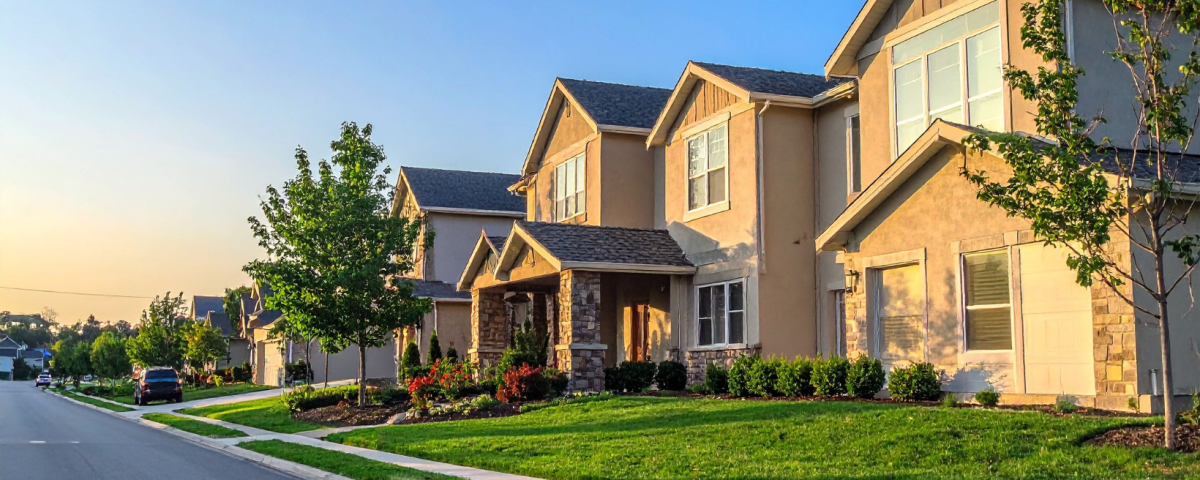
Charlotte’s Suburban Rental Surge
Remote work has rewritten the map of housing demand in Charlotte. Families no longer tethered to Uptown commutes are trading cramped apartments for suburban space, and the result is a surge in single-family rental (SFR) demand across the metro. The Charlotte–Concord–Gastonia region now ranks sixth in the U.S. for remote work adoption, with more than one in five workers logging in from home.
Nationwide, nearly half of movers in 2025 chose the suburbs, and about half of them were specifically seeking single-family homes. Charlotte’s lakeside towns and commuter-friendly suburbs are reaping the benefits, and investors are taking notice.
Top-Performing Suburban Markets
From Speedway to Cash Flow: Concord
Northeast of Charlotte, Concord has quickly shifted from being known mainly for NASCAR and outlet shopping to becoming one of the metro area’s top rental markets. The pandemic accelerated this change: as remote workers sought affordability and more space, demand for rentals in Concord surged.
Average rents for single-family homes have risen about 30% since 2020 and are now close to $1,900 per month. With a median home value slightly above $400,000, investors here are earning yields around 5.5%, combining high rental income with affordable purchase prices.
Concord is investing heavily in infrastructure, with hundreds of millions in highway improvements making the area even more attractive for commuters and remote workers alike.
With reputable Cabarrus County schools and families moving from pricier markets, SFR occupancy stays above 95%. Investors can count on quick lease-ups and stable tenants, as families value school district consistency.
Where Lifestyle Commands a Premium: Huntersville
Head north toward Lake Norman, where Huntersville offers a suburban lifestyle with lake access, quality schools, and proximity to Charlotte. Renters pay approximately $2,300 per month for this upscale feel, despite the higher costs.
Median home prices in Huntersville are approximately $560,000, but rental yields remain around 5%. This makes it competitive with many other national suburban markets, particularly given the potential for property appreciation.
Homes in Huntersville rarely stay vacant. Many tenants are relocating professionals from high-cost states, drawn by affordable rents relative to their previous costs in New York or California. This steady influx supports ongoing demand and reinforces Huntersville’s status as a top-tier single-family rental market with strong fundamentals.

Don’t Overlook These Towns
While Concord and Huntersville often grab the headlines, other suburbs are quietly opening up investment opportunities.
Indian Trail
Located southeast of Charlotte in Union County, Indian Trail has seen rapid growth. The average rent is around $2,000 per month, with home values ranging from $420,000 to $500,000. This results in nearly a 6% return, thanks to solid cash flow and appreciation. The area appeals to investors due to its newer homes, quality schools, and a family-friendly community with above-average incomes.
Gastonia
Gastonia emphasizes affordability as a major benefit. Median home prices are under $300,000, with rents at approximately $1,600, yielding investment returns of up to 7%. Gastonia offers the opportunity to build a high-yield property portfolio that complements more appreciation-focused investments.
Rents Rising, Supply Tight
Since 2020, suburban Charlotte rents have increased by over 30%, outpacing the growth in city center rents. Vacancy rates remain notably low, and homes often rent out within weeks of being listed. Projections indicate that rents will continue to rise at around 4% annually through 2025, driven by population growth and a limited housing supply.
Affordable homes are very limited. Ten years ago, 75% of homes in the Charlotte area sold for less than $300,000; now, fewer than 20% do. This shortage has prevented many families from purchasing homes, forcing them to remain in rentals for longer periods.
Risks Beneath the Surface
Maintenance costs for single-family homes are generally higher than those for apartments, and property management can be more hands-on, especially when investors operate across multiple suburbs.
Remote work trends are also worth monitoring. Although Charlotte’s share of at-home workers remains twice its pre-2020 level, corporate moves toward hybrid schedules could affect where renters choose to live in the coming years.
Developers are rapidly building over 17,000 multifamily apartments in Charlotte in 2024. While these mainly don’t compete with single-family rentals, they absorb some renter demand, especially at entry-level prices. Investors should monitor where new supply is concentrated to avoid overbuilt suburbs.
Why the Outlook Still Shines
Despite these risks, the appeal of suburban single-family rentals in Charlotte persists. The metro area continues to attract new residents at a rate faster than the national average, and many of these newcomers are families who prefer homes over apartments.
When combined with North Carolina’s landlord-friendly laws, low taxes, and the Southeast’s migration trends, the fundamentals support steady long-term growth. Investors who buy well-located homes, manage them effectively, and hold them for medium to long-term periods can benefit from persistent demand.
Need An Investor-Friendly Realtor?
Charlotte’s suburban single-family rental market is energized by continuous demographic growth and attractive investment options. Concord is notable for its affordability and strong growth potential. Huntersville appeals to tenants seeking luxury and higher rents. Indian Trail and Gastonia provide solid returns across different price ranges, making them appealing choices for investors.
These markets demonstrate how remote work and suburban migration drive rental growth in the Southeast. For investors seeking yield, stability, and appreciation, Charlotte suburbs may be the best buy.
Work With a Local Investment Agent
Reach out to one of our investor-friendly real estate agents to evaluate suburban Charlotte markets, analyze rental opportunities, and build your portfolio!