Charlotte’s Best Waterfront Real Estate Bets

Turning High Incomes Into Lasting Assets with Real Estate
September 8, 2025
The Growing Market for Single-Family Rentals
October 1, 2025Charlotte’s Best Waterfront Real Estate Bets
Investing in Charlotte Waterfront Property
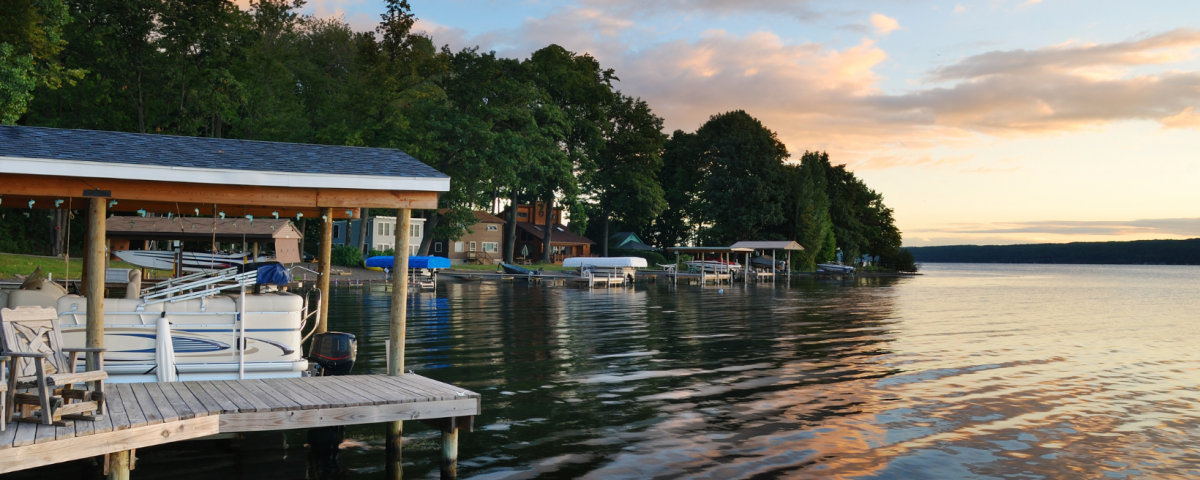
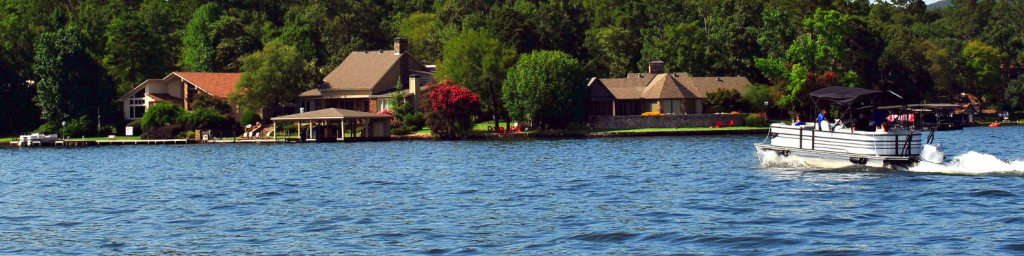
Charlotte might be landlocked, but its waterfront living is second to none. Anchored by Lake Norman, Lake Wylie, and Mountain Island Lake, the region offers investors a rare blend of resort-style living with proximity to one of the Southeast’s fastest-growing metros. Lake Norman, with its 520 miles of shoreline, remains the crown jewel, where luxury estates, yacht clubs, and premium developments keep prices climbing. Median resale prices there have consistently topped $600,000, and well-sited lakefront estates routinely fetch into the millions.
Southwest of the city, Lake Wylie’s waterfront homes now average over $1.4 million, a 7% annual increase, as demand surges amid low inventory. Sales volume surged nearly 40% last year. Meanwhile, Mountain Island Lake attracts buyers seeking tranquility 15 miles from Uptown, and Charlotte’s Catawba River corridor becomes a mixed-use area led by the River District project.
From Scarcity Comes Value
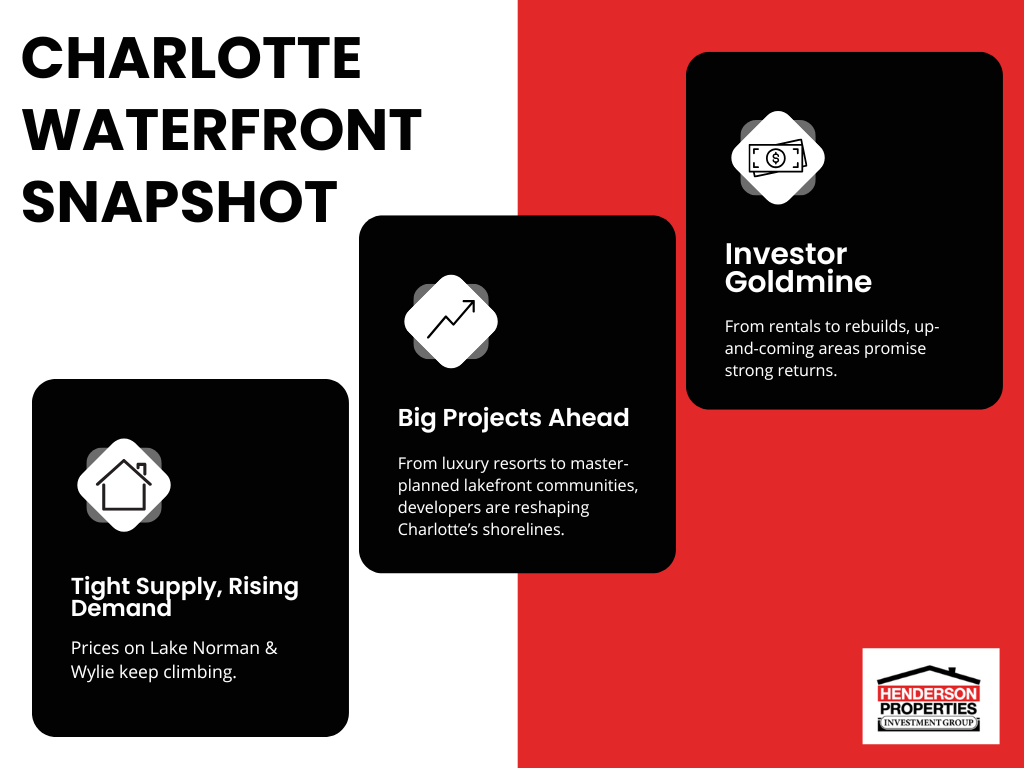
Charlotte’s waterfront appeal primarily stems from its lack. The limited supply means well-priced homes often receive multiple offers within days, even during the off-season. At Lake Norman, the race for “move-in ready” homes has maintained double-digit annual price growth. Near Lake Wylie, fewer than 15 dockable vacant lots were listed at the end of 2024, marking the lowest level in more than 15 years.
For investors, scarcity creates opportunity. Waterfront homes tend to retain their value and often outperform the overall housing market, even in economic downturns. As Charlotte’s population continues to grow and construction remains behind demand, there is no indication that this trend will decline.

New Developments on the Horizon
Despite limited raw shoreline, developers are finding ways to create new inventory. One of the most significant examples is Lakeside Pointe in Sherrills Ford, a master-planned peninsula community offering more than 200 homes along a mile of Lake Norman waterfront. With its private clubhouse, boat slips, and a retail village underway, the development is setting a new standard for lake living.
On Lake Norman’s eastern shore, the Sunset Cove Resort is reshaping Mooresville with a $250 million mix of condos, hotel space, and resort amenities. Marketed as a destination “rivaling any Florida resort,” Sunset Cove is designed to attract both luxury buyers and short-term rental investors eager to tap into Charlotte’s tourism market.
Charlotte’s River District is an even bolder play. Spanning more than 1,200 acres on the Catawba River, this decades-long project will eventually deliver thousands of homes, millions of square feet of commercial space, and more than 500 acres of preserved green space. For investors with patience, it represents a chance to ride the wave of long-term appreciation as West Charlotte evolves into a new waterfront hub.
Who’s Buying on the Water?
Waterfront real estate in Charlotte attracts a diverse cast of investors. At the top, luxury buyers and second-home seekers compete for trophy estates, often paying cash for sprawling properties with private docks. Retirees relocating from colder states are another strong segment, especially in active-adult communities like Belmont’s McLean, where homes range from $200,000 cottages to multimillion-dollar custom builds.
The short-term rental market is also expanding. Lake Norman, in particular, has become a popular summer destination for vacationers, with waterfront cottages and condos able to command high nightly prices. Projects like Sunset Cove, which require condo owners to rent out units adjacent to the resort pool, demonstrate how developers are adapting to this demand.
Developers and builders actively buy outdated cabins, replacing them with high-end new builds. In 2024, over 20 older homes on Lake Wylie, mostly around $800,000, were purchased for tear-downs or major renovations. The land, not the structure, is the real prize, and savvy investors can unlock significant value.
The Upside for Investors
The appeal for investors is about numbers. Waterfront properties tend to appreciate steadily, even in market downturns, and provide multiple income streams.
A lake home can serve as both a family retreat and a short-term rental, generating substantial summer income. Rental yields are high on Lake Norman, where boating and fishing tourism peak in warmer months.
For developers, the advantage lies in creating inventory where there is currently little available. Buying undervalued lots or older homes, understanding Duke Energy’s shoreline management rules, and upgrading or expanding properties can yield returns far above the regional average. For those with a longer-term outlook, claiming land near major projects, such as the River District, might mean gaining value as entire neighborhoods develop around them.
Risks Beneath the Surface
Of course, no opportunity comes without risk. Waterfront property owners must face higher maintenance costs, from dock repairs to shoreline erosion. Insurance and property taxes can also reduce returns.
Regulatory hurdles are another concern: Duke Energy oversees shoreline permits, enforcing strict rules on docks, setbacks, and vegetation buffers. Local zoning and HOA covenants may also limit short-term rentals or commercial uses.
Seasonality introduces another factor. Demand increases in summer but decreases in winter, which can delay resale timelines or cause rental gaps. While luxury buyers have maintained strong prices, discretionary spending remains more vulnerable if the economy slows down. Savvy investors build buffers into their financial models to handle these fluctuations.
Where to Cast Your Line Next
So where should investors focus? For Lake Norman, the north and west shores, particularly Sherrills Ford, Troutman, and Denver, offer the best combination of value and growth potential. On Lake Wylie, Belmont and Fort Mill are emerging as hotspots, with new communities and lower price points relative to Norman. Don’t overlook Mountain Island Lake, where limited supply and proximity to Uptown make it a hidden gem.
And keep an eye on the River District, which promises to redefine riverfront living over the next two decades.
For those willing to get creative, the most profitable move may be to add value by purchasing outdated cabins or mid-century homes on prime lots and renovating them for modern buyers. In a market lacking ready-to-move-in inventory, investors who can provide fresh options in the right locations are likely to see the biggest rewards.
Ready To Start Looking?
In Charlotte, the water isn’t just for boating… It’s where the smartest investments are making waves.
With limited supply, soaring demand, and game-changing developments on the horizon, the lakes and rivers around Charlotte have become one of the region’s most powerful wealth-building assets.
Sign up to start browsing homes, and let’s chart the course to your perfect waterfront investment.